

How to Get a Job in the Chinese Communist Party
3.7 million applicants. 40,000 positions. One professor’s survival guide.

Grüezi!
A Renmin University professor and social media star explains what China’s civil service exam gets you – and why the prize 3.7 million applicants are chasing might not be worth winning.
1. The Application
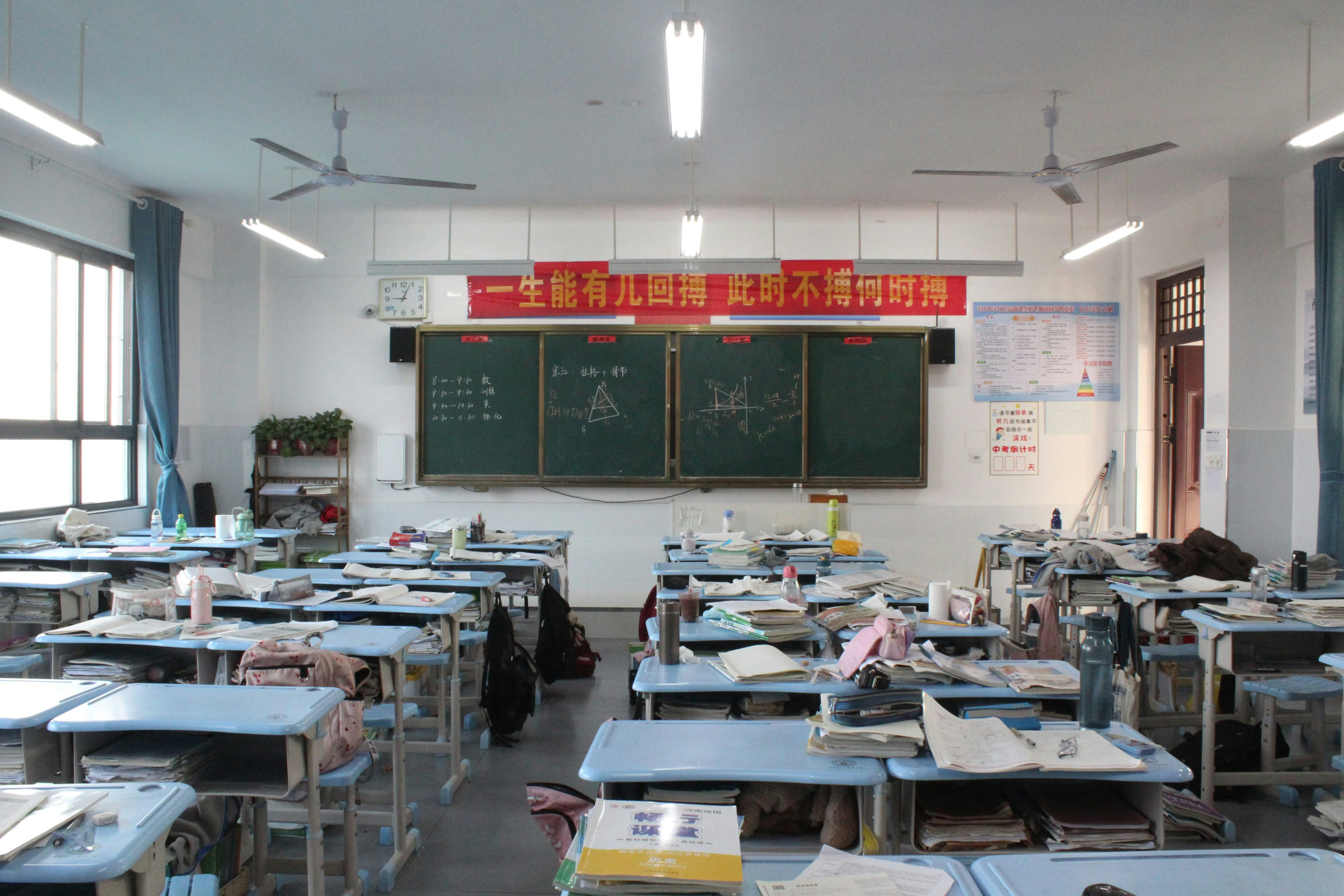
The 2026 National Civil Service Examination – China’s gaokao for bureaucrats – just attracted 3.7 million applicants after authorities raised the age limit to 38.
That is roughly one application for every 400 Chinese citizens, competing for about 40,000 positions. The acceptance rate? Just over one percent.
There’s a phrase that circulates on Chinese social media: “every road leads to biānzhì” – biānzhì is a job with the state, which means a career, benefits and a pension.
It’s a conclusion that’s almost a generational motto. Tech jobs disappeared in the regulatory crackdowns. Property sector careers vanished with the developers. Export manufacturing faces tariffs and reshoring.
No matter what you studied or dreamed of becoming, the only rational destination was always a government job. Your parents were right.
Nie Huihua, an economics professor at Renmin University who trained under a Nobel laureate at Harvard and spent six years running a government think tank, has become an unlikely guide to this world.
His videos on bureaucratic life have racked up tens of millions of views. His new book, The Operating Logic of Grassroots China, is a bestseller. In a recent podcast, he asked a question his audience of aspiring civil servants rarely considers: what happens after you get in?
2. The System

Before you apply, understand what you are joining. Nie’s core insight, developed in peer-reviewed research, is that China operates on what he calls “hierarchical resource allocation.”
Forget market economics. Resources flow toward power, and power is organised by administrative rank.
A provincial capital will always attract better hospitals, schools and investment than a nearby prefecture-level city – regardless of which is more economically productive.
The mechanism is simple: higher-ranked officials can secure resources from above. Beijing, Shanghai and Shenzhen are not rich because they are efficient. They’re rich because they are politically important, which attracts resources, which makes them efficient, which reinforces their importance.
This has practical implications for applicants. The position you secure determines not just your salary but your access to housing, healthcare and education for your children – the entire infrastructure of a decent life.
A mid-ranking post in a provincial capital may be worth more than a senior role in a small town. Geography is destiny, but geography is set by administrative hierarchy.
3. The Interview
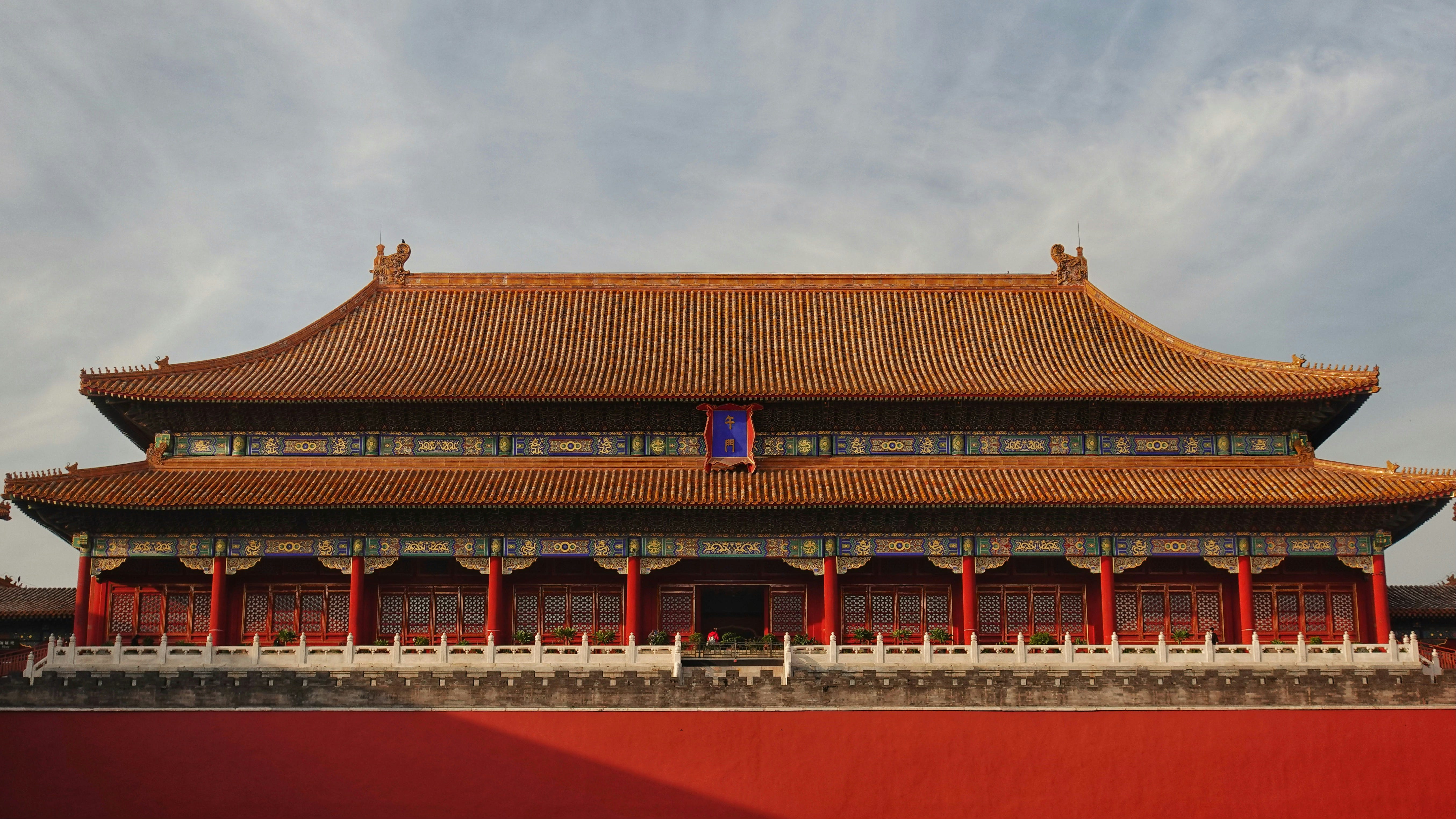
The examination tests memorisation and procedural knowledge. It doesn’t test what actually determines success.
Nie is pretty direct about what you need to do well…
