


Grüezi!
This is not a predictions piece. It’s not a year-ahead briefing or a ranking of risks to watch.
Those have their uses, but they assume we know where to look. The argument here is that we might not – and that the interesting things tend to happen in places the big players aren't watching.
So instead of forecasting, I’ve gone back a millennium and a half to think about what we can and cannot see.
1. The Private Jet of the Sixth Century
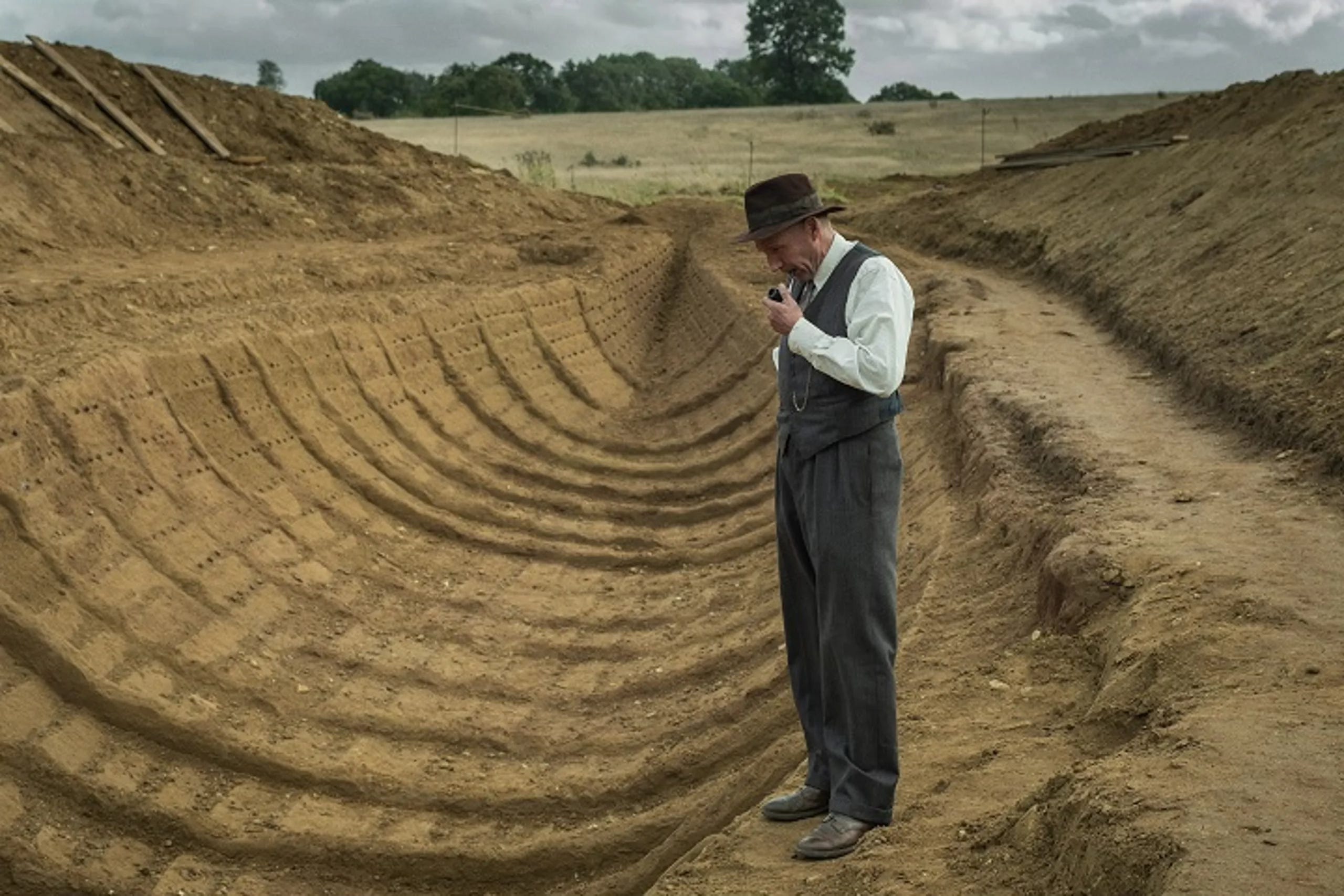
He was buried in the equivalent of a private jet.
A 27-metre ship, hauled half a mile uphill from the River Deben, positioned in a trench cut precisely to receive it. The labour involved – hundreds of workers, weeks of effort – was a statement of wealth that those sweating to pile up earth and planning the rites would have understood immediately.
This was not folk tradition. This was conspicuous consumption on a scale that signalled participation in an elite network that spanned continents.
When archaeologists brushed away the Suffolk soil in the summer of 1939, they revealed the richest intact early medieval grave in Europe.
War was declared weeks later; the treasures were hidden in the London Underground and the site became a tank training ground. But the interpretive framework was already in place, waiting to receive the find.
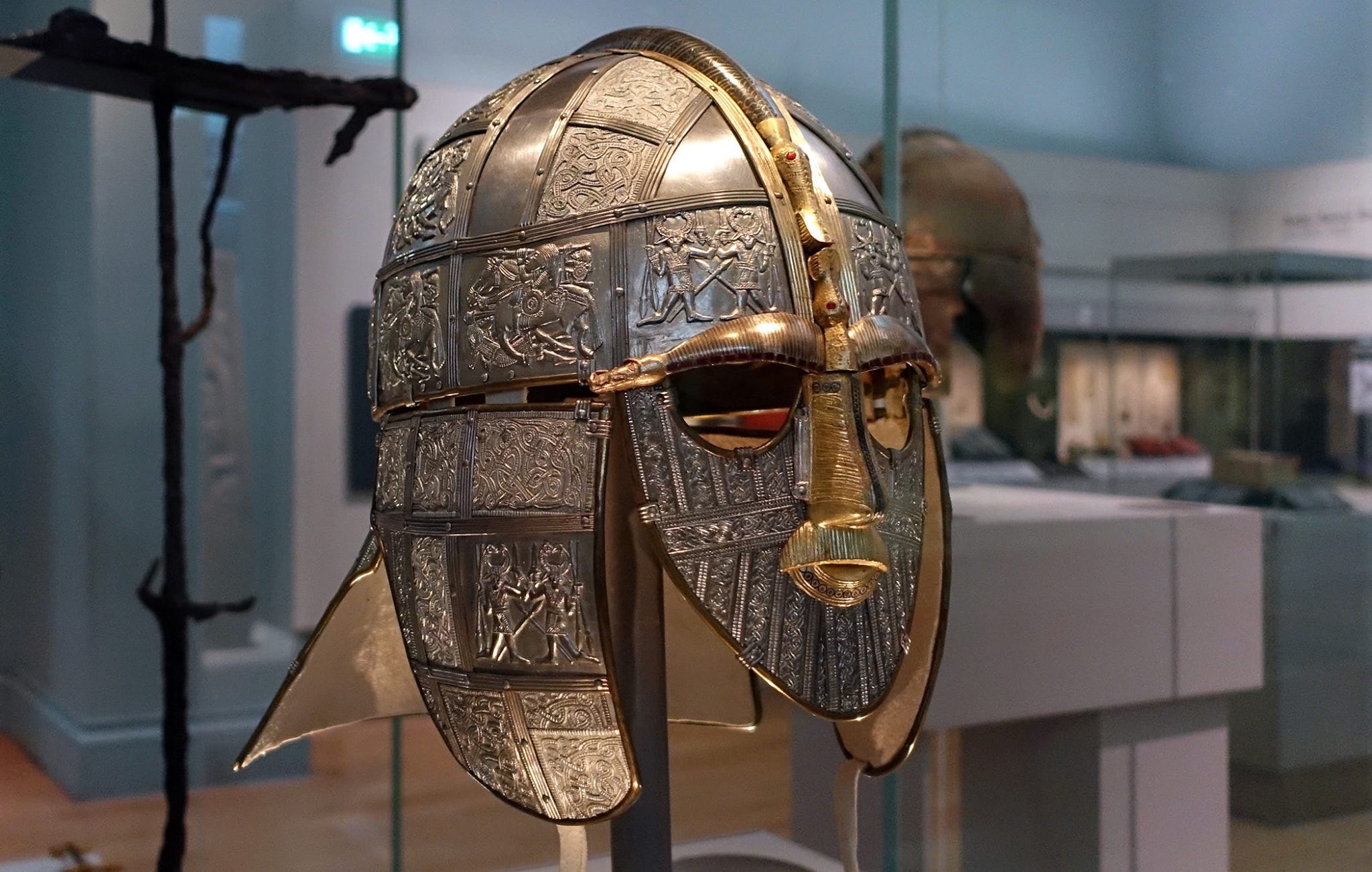
William Stubbs and his Victorian successors had spent decades constructing an Anglo-Saxonist constitutional mythology. The Constitutional History of England (1874–78) traced English liberty to Teutonic origins – the vigorous Germanic warrior-aristocrat, bearer of the freedoms that would flower into parliamentary democracy, uncorrupted by Mediterranean decadence.
Sutton Hoo was made to fit. A noble savage, buried with his weapons and his warship, ancestor of Englishness.
The reality was messier and more interesting. Recent scholarship suggests a different figure: not someone grounded in blood and soil but a rootless cosmopolitan.
A left-handed soldier (the sword hilt’s gold was worn down that side from use) who may have fought with Byzantine cavalry on the empire’s eastern frontier.
His material world encompassed Sri Lankan garnets, Syrian bitumen, Byzantine silver, Frankish coins, Scandinavian decoration, and Celtic hanging bowls. A silver bucket came from Antioch, inscribed in Greek with good wishes to a ‘Master Count.’
Not a tribal chieftain but a mercenary who had moved in the world.
Someone whose career and quest for treasure probably took him to Syria whilst the two great powers of his age were bleeding each other white – and who returned to its cold periphery just as the world system that generated those spoils was about to collapse.
2. The War That Exhausted Everything
The Byzantine-Sassanian war of 602–628 is one of history’s great examples of catastrophic mutual destruction.
Twenty-six years of total war. Persian armies at the Bosphorus. Byzantine armies in what is now Iraq. Jerusalem seized. Egypt – Constantinople’s granary – occupied.
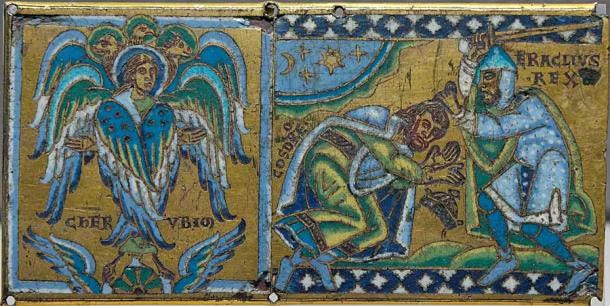
The Byzantine emperor Heraclius’s eventual counteroffensive took his forces deep into the Iranian plateau.
By 628, when he finally recovered the True Cross, both empires were fiscal and demographic ruins. The plague that had ravaged the Roman world since Justinian’s time had never fully abated. The coinage was debased. The frontier defences were hollow.
And in the Hijaz, something was stirring that neither empire had the capacity to comprehend, let alone resist. For generations, Arab traders had grown rich supplying the war machine – hides for armour and shields, leathers for saddles and scabbards, the endless consumables that two empires burned through in their decades of mutual destruction.
They knew the roads, the forts, the rhythms of imperial logistics. They had watched both powers exhaust themselves. When the storm came, it came from people the old empires had mistaken for bystanders.
The speed of the Arab conquests remains almost incomprehensible. Within a decade of the war’s end, Arab armies had destroyed the Sassanian Empire entirely and stripped Byzantium of Syria, Palestine, Egypt, and North Africa. By 642, Egypt was gone. By 711, Visigothic Spain.
The Mediterranean, which had been a Roman lake, became a frontier zone, then increasingly an Islamic sea. Romanitas survived as a rump in Anatolia and a theological-political idea contested between Constantinople and Rome.
The Arab conquests were not on anyone’s strategic planning documents in Constantinople or Ctesiphon. The new faith emerging from the Hijaz was not a variable in the calculations of Heraclius or Khosrow. The transformation was total, rapid, and – to contemporaries – incomprehensible.
Conflict created the vacuum. It did not predict what would fill it.
3. The Final Spoils
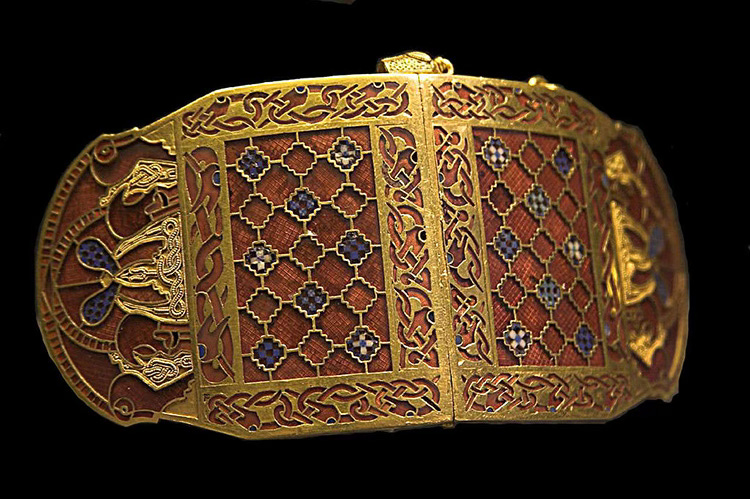
Our man in Suffolk was buried with the remnants of a dying civilisation.
The armour, jewels and treasures were not the evidence of a thriving order. They were its loot. The integrated Mediterranean economy that produced them was already collapsing.
Pope Gregory the Great, writing in the 590s from Rome, saw the calamities around him – war, pestilence, the visible decay and division of the old imperial infrastructure – and concluded he was witnessing the end of the world. He was not being hysterical. He was simply being observant.
Sutton Hoo’s warrior went into the ground thirty years later with the last glittering spoils of that system.
This is what today’s Anglo-Saxon ethnic identity warriors miss when they read Sutton Hoo as the ‘birth of England.’
It was also a funeral for the classical world. The ship, hauled inland, was a vessel for an afterlife freighted with the debris of a world that had already ended – even if those who buried him did not fully understand this.
The luxury objects were not signs of vitality. They were relics. Things that would not be made again, from places that would not be accessible again, through networks that would not function again – for centuries.
His grave goods were the last shipment.
And the cold periphery – built around wood fires not stone forums – was about to disappear into its smoky halls.
The future was being born in the place the Romans had abandoned.
