


Grüezi – und Gleckliches Nejohr!
The country that propped up Bashar al-Assad’s brutal regime for a decade is now mediating Israel’s security arrangements with his successors – with Washington’s blessing.
The country that backed the winning side is getting its prospective airbases bombed.
If you want to understand what the post-American world order actually looks like, forget the theory.
Look at the Levant.
1. From Pariah to Peacemaker
Israeli state broadcaster Kan 11 reported last week that Russia is secretly mediating between Israel and Syria on a security agreement, with meetings hosted in Azerbaijan’s capital Baku.
The phrase that matters?
“With the knowledge and approval of the US administration.”
Syrian Foreign Minister Asaad al-Shaibani was in Moscow last week, meeting Putin on Tuesday and Lavrov on Wednesday, to elevate relations to “strategic level.”
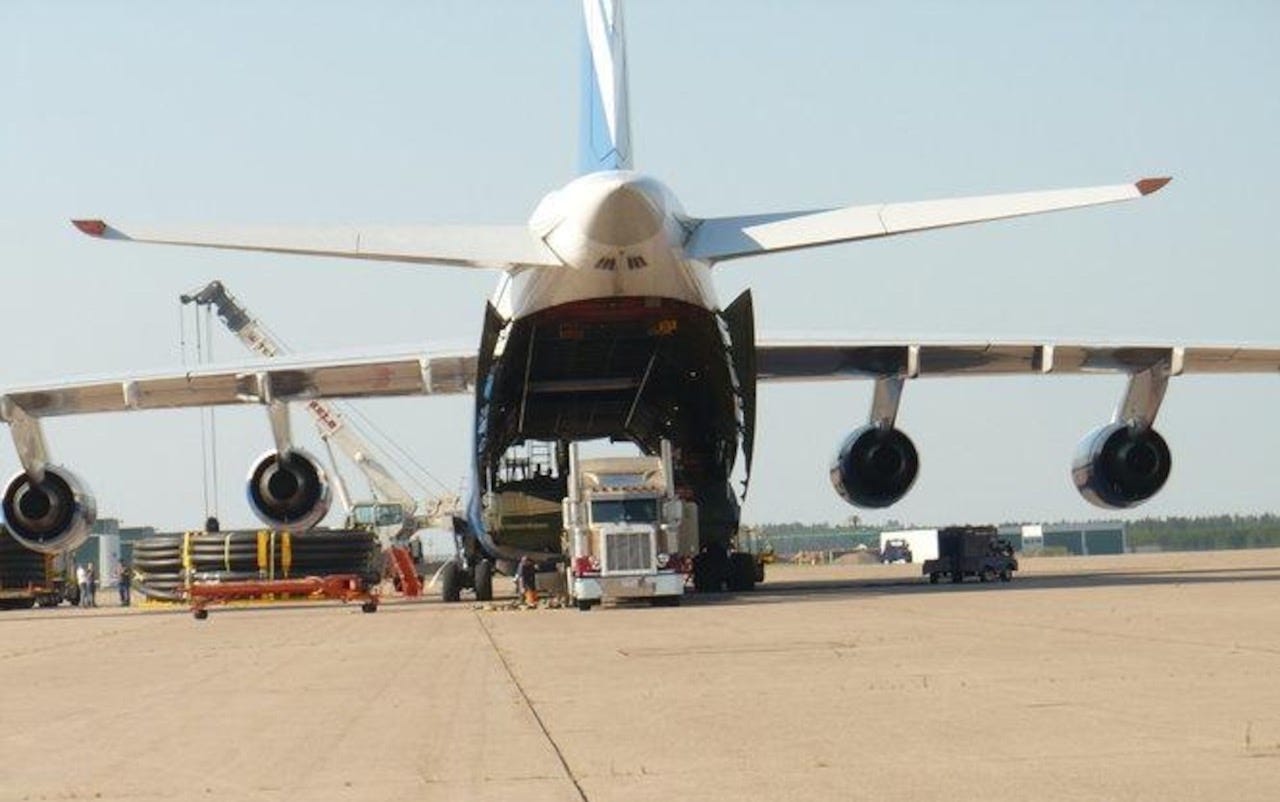
Russia has resumed military flights to its Hmeimim airbase after an almost six-month hiatus. Massive Antonov An-124 military transporters – capable of carrying air defence systems – flew in three times in a single week in late October.
Four months ago, Trump and Putin met in Alaska and produced nothing on Ukraine. Putin’s war aims remain maximalist. Sanctions continue. Yet here is Washington quietly blessing Russian diplomatic activity in one of the Middle East’s most sensitive theatres.
And Steve Witkoff’s fingerprints are on all three arrangements.
Trump’s Middle East envoy brokered the Gaza hostage deal, blessed the Baku channel, and shuttled to Moscow on Ukraine. They’re the same negotiation.
Syria is where Washington has first accepted what it has long refused to say out loud: Russia gets a sphere of influence, and a place in the sun.
The question is no longer whether Moscow keeps its Mediterranean foothold, but at what cost.
If the price is managing Israel’s northern border and staying out of Trump’s Gulf deals, that is a trade both sides will make.
2. The Handover No One Announced
According to Israeli security sources, Russia is preparing to launch patrols in southern Syria, along the Israeli border, similar to arrangements that existed before Assad’s fall.
The goal is to redeploy Syrian army forces under Russian supervision – a buffer that Israel once rejected but now actively encourages.
That is in the south. In the northeast, Russia is expanding too. Since March, cargo flights from the coastal airbase at Hmeimim have been ferrying troops and equipment to Qamishli – deep in Kurdish-held territory, near the Turkish border, and until recently under American protection.
This is the handover. As US bases close, Moscow moves in.
For Putin, Syria offers something the Alaska summit did not: a stage. The ICC warrant bars him from most of the world. But he can receive the Syrian foreign minister in the Kremlin and remind everyone that Russia remains a player – diminished, yes, but not irrelevant.
The paradox is that losing Assad made Russia more useful, not less. A desperate patron will work for its keep.
And the keep is substantial. Moscow retains its Mediterranean ports, gains recognition as regional broker, and – most importantly – establishes the precedent that Washington will accept Russian spheres of influence when the price is right.
Syria is the proof of concept. If it holds, Ukraine becomes a negotiation over terms, not principles.
For Israel, the arrangement solves an immediate problem: who manages the southern buffer now that Assad is gone? For Russia, it solves an existential one: relevance.
